Filament wound epoxy tubes possess excellent insulation properties, mechanical strength, and corrosion resistance. They are widely used as insulating supports, structural sleeves, and protective components in fields such as power equipment, chemical corrosion protection, new energy, and mechanical structures. However, different application scenarios have different performance requirements. Inappropriate selection can not only shorten the product’s lifespan but also potentially cause safety hazards.
This article will detail the key points for selecting filament wound epoxy tubes to help you make informed purchasing decisions.
Filament wound epoxy tubes are composite material tubes manufactured using a continuous fiber winding process. They use glass fiber as the reinforcing material and synthetic resin as the matrix, processed through a controlled winding process. This tube features high strength, corrosion resistance, good insulation, and light weight. It is widely used in industries such as power, chemical, environmental protection, and petroleum.
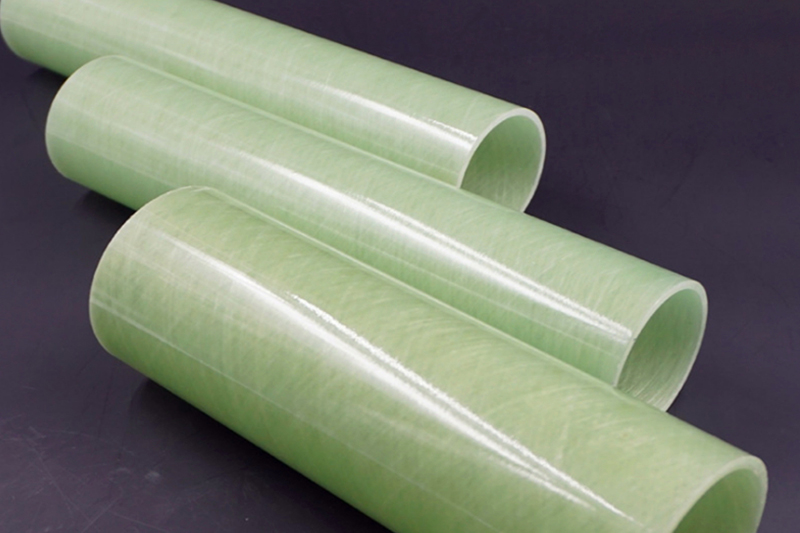
Before selecting filament wound epoxy tubes, it is necessary to clarify their usage environment and functional requirements. Common applications include:
Insulating bushings and support components in power equipment
Structural components of transformers and switchgear
Corrosion-resistant pipes or support structures in the chemical industry
Structural reinforcements in new energy equipment
Different application scenarios have different requirements for the insulation, mechanical properties, and environmental resistance of the pipes, and the selection criteria need to be adjusted accordingly.
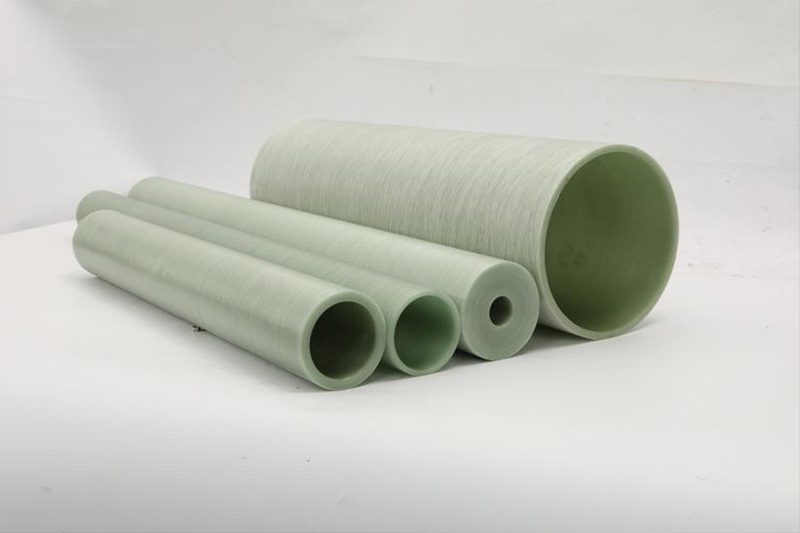
1. Mechanical Strength Requirements
The characteristic of filament wound epoxy tube is its high strength. When selecting a model, the following aspects should be considered:
Whether the axial and radial strength meets the stress requirements
Whether the bending strength and impact resistance meet the requirements
Structural stability under long-term load-bearing conditions
For filament wound epoxy tube used for load-bearing or support, products with a reasonable fiber winding angle and sufficient layers should be selected.
2. Insulation Performance and Electrical Rating
In the power and new energy fields, filament wound epoxy tube is commonly used as an insulating component. Its power frequency withstand voltage performance, dielectric strength, and the impact of water absorption rate on insulation performance should be carefully considered. Different voltage levels have different requirements for the resin system and manufacturing process, and selection should be based on the voltage level.
3. Environmental Adaptability and Durability
Actual operating environments are complex. The following factors should be considered when selecting a model:
Operating temperature range
Whether it faces humid, salt spray, or chemically corrosive environments
The effects of UV aging during outdoor use
For filament wound epoxy tube used outdoors or in harsh environments for extended periods, products with aging resistance and stable resin formulations should be selected.
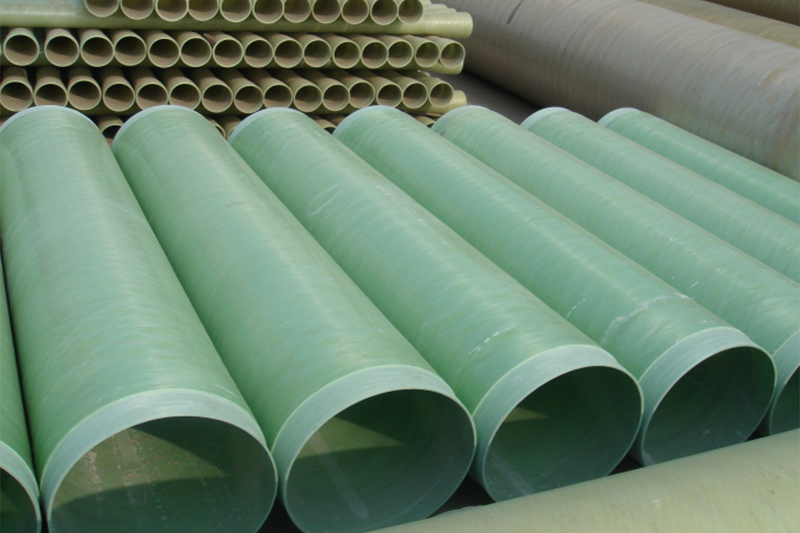
In engineering projects, dimensional accuracy affects installation efficiency. When selecting a model, the following should be carefully considered:
Tolerance range of inner and outer diameters
Uniformity of wall thickness
Whether it supports secondary processing such as cutting, drilling, and turning
Qualified filament wound epoxy tubes should have consistent dimensions and be easy to process. This reduces on-site adjustments and rework.
Different manufacturers have different winding processes and quality control standards. When purchasing, the following should be carefully considered:
Whether a continuous fiber winding process is used
Whether the resin curing is sufficient
Whether there is a complete factory testing process
Stable production processes and a sound quality control system can ensure the long-term stable use of wound fiberglass tubes.
When selecting filament wound epoxy tubes, factors such as application environment, material properties, and cost should be comprehensively considered. Before purchasing, understand the product’s technical parameters, consult professional technicians if necessary, and conduct small-batch trials if possible. Appropriate selection will result in cost-effective and stable filament wound epoxy tubes.
If you have any questions when selecting filament wound epoxy tube, please contact our technical team. We will provide selection advice and technical support.
If you need our products please write down any questions, we will reply as soon as possible.
There are three ISO certificates for quality certification. The certificates will be shown later. ISO
After receiving the advance payment, the production cycle is 15-25 days. And the transportation cycle should be calcul……
We supply with installation guide and user manual for each transformer. If you do not understand them. We will offer v……
