In the fields of new energy, industrial automation, and power equipment, high-performance insulating materials serve as the fundamental basis for ensuring the safe, stable, and long-term operation of equipment. G11/EPGC203 epoxy glass fiber laminates are widely utilized in the manufacturing of high-end structural insulating components due to their exceptional electrical properties, mechanical strength, and high-temperature resistance. Through precision CNC machining technology, this material can be fabricated into insulating parts of various complex shapes, making them suitable for critical applications such as transformers, electric motors, and switchgear.
G11 (EPGC203) is a high-performance composite material produced by laminating epoxy resin-impregnated glass fiber cloth under high temperature and high pressure. The product complies with IEC standard requirements.
Excellent Electrical Insulation: Maintains stable dielectric properties even in high-humidity environments.
Good High-Temperature Resistance: Capable of sustaining long-term operating temperatures up to Class F levels.
High Mechanical Strength: Exhibits excellent compressive and flexural strength.
Good Dimensional Stability: Resists deformation following machining.
Strong Arc Resistance: Suitable for use in high-voltage electrical equipment.
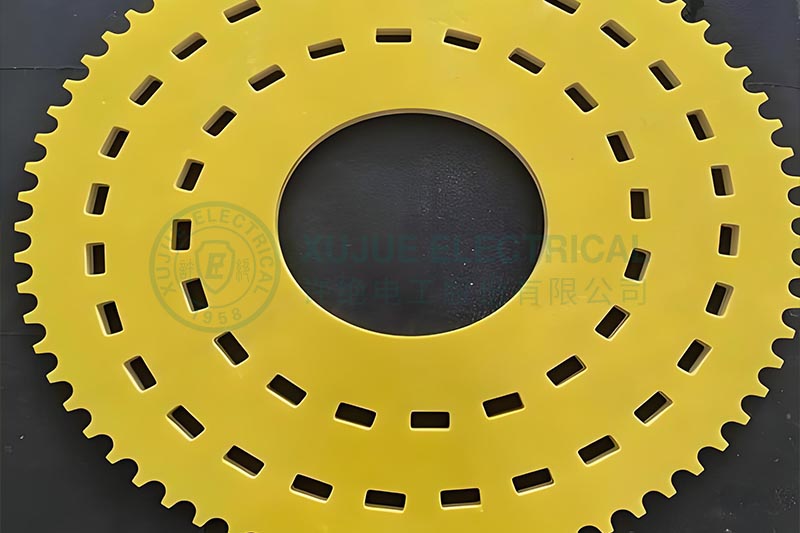
G11/EPGC203 is a highly abrasive composite material. Traditional processing methods—such as stamping or manual milling—often lead to material delamination, edge chipping, or dimensional deviations. CNC machining, however, offers the following advantages:
Through CNC milling and turning, high-precision machining is achievable, and standard dimensional tolerances can reach IT6–IT8 grades. This meets the strict assembly precision requirements for components such as locating pins and precision bushings, while ensuring that electrical clearances and creepage distances comply with design specifications.
This material is frequently used to replace metal components in applications requiring electrical insulation. CNC machining centers are capable of executing complex 3D contours, deep holes, threads, and irregular-shaped slots—processing capabilities that far surpass those of traditional methods.
CNC machining utilizes carbide cutting tools and optimized cutting parameters (high spindle speeds and appropriate feed rates). By employing professionally programmed toolpaths, the mechanical stress exerted on the material is effectively minimized, preventing the separation of glass fiber layers (delamination) and thereby ensuring both the structural integrity and aesthetic quality of the finished components.
From prototype development to mass production, CNC machining programs provide stable control over dimensions and structural features, ensuring consistent product quality and reliability throughout the entire manufacturing process.
When selecting a supplier for G11/EPGC203 insulation components, the following aspects should be evaluated:
The materials used by the supplier must meet the UL 94 V-0 flame retardancy rating and relevant IEC standards, and material certification must also be available upon request.
Fiberglass dust poses health risks. The workshop should be equipped with wet machining capabilities or high-efficiency dust extraction systems to ensure a safe working environment.
After machining, products must undergo deburring and cleaning processes to ensure smooth edges, free of residues and micro-cracks.
The supplier should possess inspection equipment—such as Coordinate Measuring Machines (CMM) and optical projectors—to perform comprehensive dimensional verification on finished products.
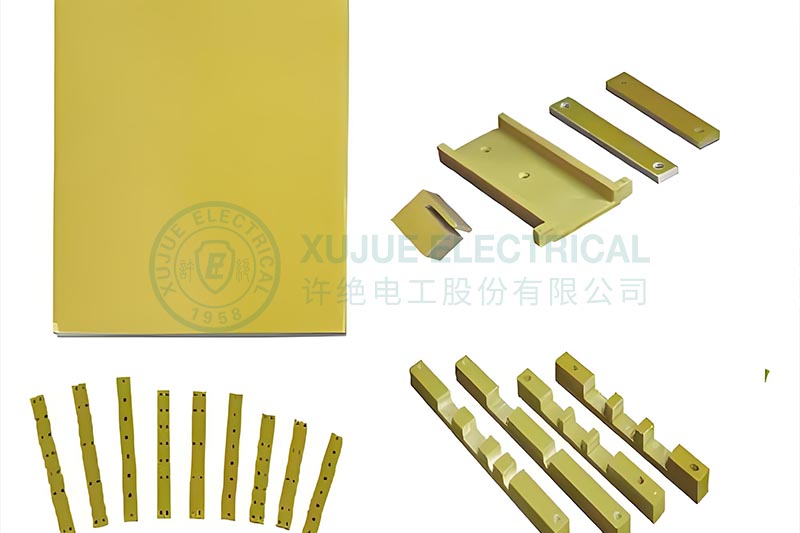
CNC machining can be used to produce a wide variety of structural insulation components made from G11/EPGC203. Common applications include:
Electric Motors: Slot wedges, insulation gaskets, stator support components
Transformers: Insulation brackets, end plates, spacer blocks, partition panels
Switchgear: Phase barriers, arc-extinguishing chamber supports, insulation shields
New Energy Equipment: Insulation components for PV inverters, structural insulation parts for wind power systems
Due to their excellent mechanical and electrical properties, G11 and EPGC203 materials are widely utilized in the manufacture of critical insulating components. Through high-precision CNC machining, G11/EPGC203 can fully realize its inherent potential, providing you with finished products that are both stable in performance and highly durable.
If you are seeking a reliable partner for the precision machining of G11/EPGC203, we recommend selecting a specialized manufacturer with proven experience in processing composite materials and a robust quality control system. This ensures the optimal performance of the final product and the operational safety of your equipment.
If you need our products please write down any questions, we will reply as soon as possible.
There are three ISO certificates for quality certification. The certificates will be shown later. ISO
After receiving the advance payment, the production cycle is 15-25 days. And the transportation cycle should be calcul……
We supply with installation guide and user manual for each transformer. If you do not understand them. We will offer v……
