As a high-quality insulating material, electrical laminate wood is increasingly becoming the preferred choice for power transformers, instrument transformers, and large high-voltage electrical equipment due to its excellent mechanical strength, oil resistance, and dielectric properties.
If you are looking for suitable insulation materials for your electrical equipment projects, understanding the grading, size options, and factory pricing strategies of electrical laminate wood is crucial. This article provides a comprehensive purchasing guide.
Electrical laminate wood is typically classified into the following grades based on density, strength, and application environment:
Suitable for conventional distribution transformers.
Lower cost, meets basic insulation and structural requirements. Commonly used in non-critical parts such as spacers and supports.
Higher compressive strength and mechanical properties. Suitable for medium- and high-voltage and large-capacity transformers.
Used in critical load-bearing structures such as clamps and pressure plates.
Optimized splitting resistance and impact resistance.
Suitable for equipment with high short-circuit strength requirements.
Commonly found in power transformers and heavy-duty industrial equipment.
Customized for special environments (such as high temperature, high humidity, or high pollution environments). Adjustable density, resin system, and pressing process.
Meets international standards such as IEC.
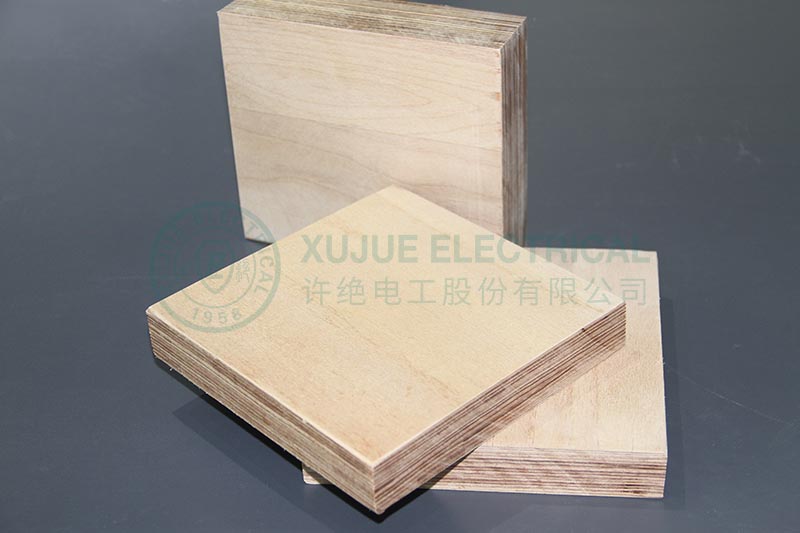
To accommodate transformer designs and processing techniques of varying tonnages, reputable factories offer a wide range of specifications. As a buyer, you should focus on the following customization capabilities:
Standard stock thicknesses typically range from 10mm to 100mm.
For extra-thick boards exceeding 100mm, professional factories offer bonding and splicing services.
Standard Sizes: Common board sizes are 1000mm x 2000mm or 1500mm x 3000mm.
Tolerance Control: High-grade electrical laminate wood has extremely stringent thickness tolerance requirements. Premium grade boards can have thickness tolerances controlled within ±0.1mm to ±0.2mm, which is crucial for assembly precision on automated production lines.
Many factories not only sell raw materials but also offer finishing services:
CNC Machining: Milling, drilling, and grooving according to drawings.
Chamfering and Grinding: We offer edge chamfering and fine surface grinding to help you save on scrap costs and secondary processing time.
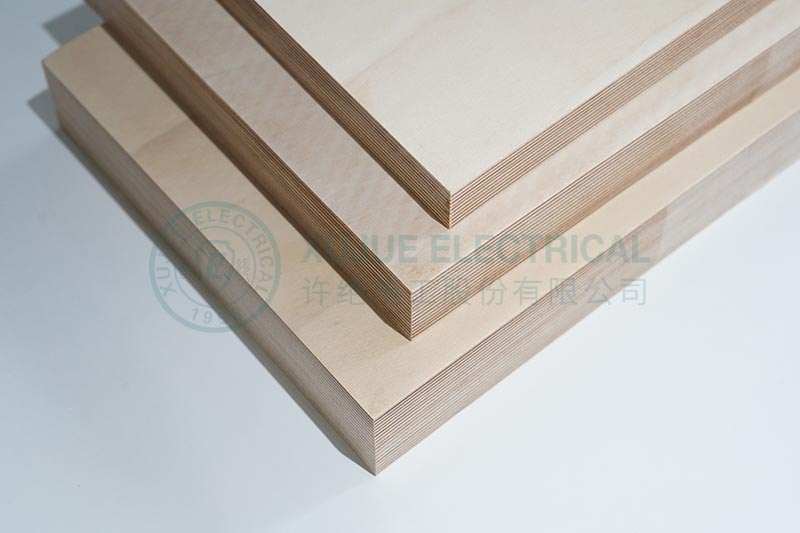
Prices vary significantly depending on grade and specifications:
Standard Grade: Approx. ¥8,000 – ¥12,000 / ton
High-Density Grade: Approx. ¥10,000 – ¥16,000 / ton
High-Strength Grade: Approx. ¥15,000 – ¥25,000 / ton
Custom Processed Parts: Quoted based on drawings
Factory pricing for electrical laminate is not static. Prices are typically dynamically determined by the following four factors. Understanding these factors as a direct buyer can help you obtain more competitive quotes.
Since electrical laminate relies on natural timber, raw material prices are significantly affected by fluctuations in the international timber market. Currently, imported birch is generally more expensive than ordinary beech due to its uniform grain and good impregnation properties.
Factory companies usually offer significant price discounts for bulk orders.
Sample/Small Batch: Orders of less than 10 sheets are typically charged at the list price.
Large Batch/Long-Term Cooperation: Single purchases exceeding 100 sheets or signing an annual framework agreement usually qualify for a 15-20% discount on the ex-factory price.
There is a significant price difference between unprocessed and finished laminated wood. If you can provide accurate CAD drawings, the factory can produce finished products directly. Although the unit price of this product is higher than that of unprocessed laminated wood, the overall cost is often lower.
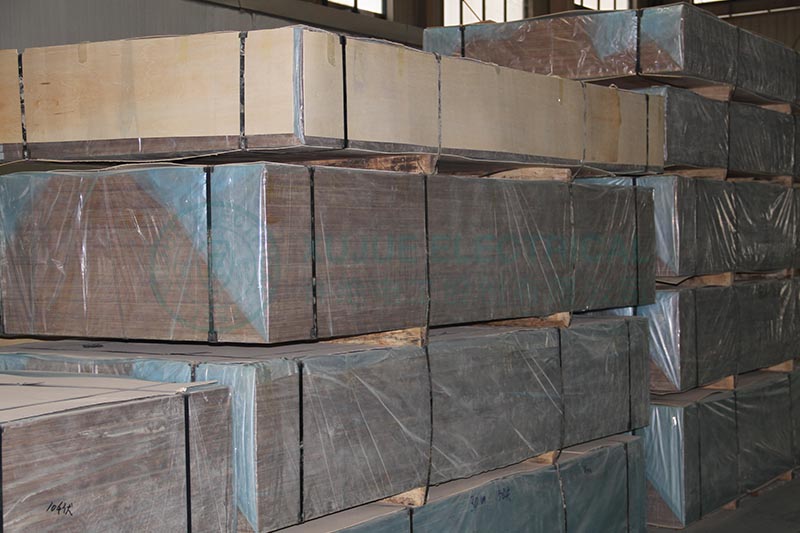
Due to frequent price fluctuations in the insulation material market and the significant regional impact on transportation costs (due to the high density and weight of the boards), the most direct way to obtain accurate quotes is to contact the source factories directly.
When selecting a supplier, we recommend considering the following three points:
Whether the manufacturer holds ISO 9001 quality management system certification, and whether the products have passed third-party testing .
Whether the manufacturer is equipped with large-scale hot presses and high-precision CNC machining centers. This directly determines the flatness of the boards and the machining accuracy.
Whether the supplier can provide full-process services based on your specific drawings, covering the entire chain from material selection → lamination → machining → packaging.
As a key material in the insulation system of electrical equipment, electrical laminated wood—its grade determines the upper limit of performance, multi-specification options determine adaptability, and factory pricing directly impacts project cost control.
Through this analysis, we hope to help you make more professional and cost-effective procurement decisions.
If you need our products please write down any questions, we will reply as soon as possible.
There are three ISO certificates for quality certification. The certificates will be shown later. ISO
After receiving the advance payment, the production cycle is 15-25 days. And the transportation cycle should be calcul……
We supply with installation guide and user manual for each transformer. If you do not understand them. We will offer v……
