In the fields of electrical equipment manufacturing, power systems, and industrial automation, three high-performance insulation materials are commonly used: GPO-3, FR-4, and FRP (Fiberglass Reinforced Plastic). Among these three materials, which one offers the best performance? The answer is not absolute, and it depends entirely on the specific application requirements. This article provides a comprehensive comparative analysis of these three materials, examining their electrical properties, mechanical properties, heat resistance, and typical application scenarios.
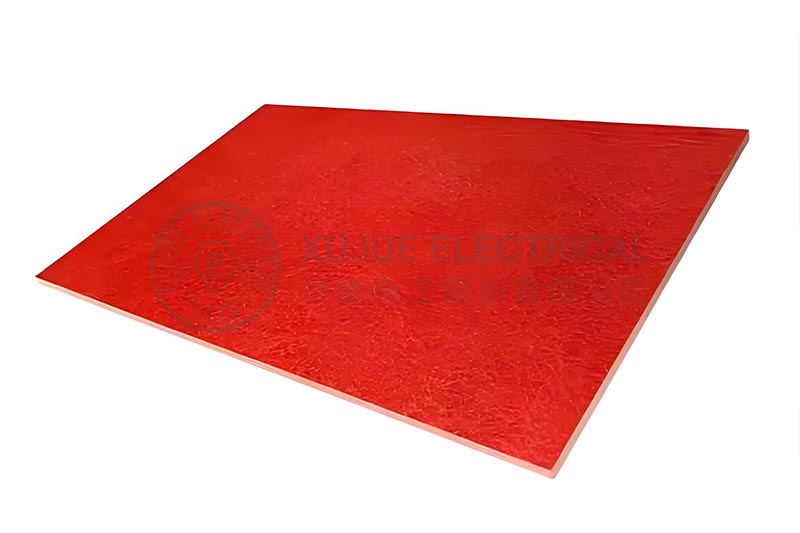
GPO-3 is a thermosetting insulation material composed of unsaturated polyester resin reinforced with fiberglass.
Key Features:
Excellent arc resistance
Good flame retardancy
Relatively low cost
Commonly used in: Switchgear, circuit breakers, busbar supports
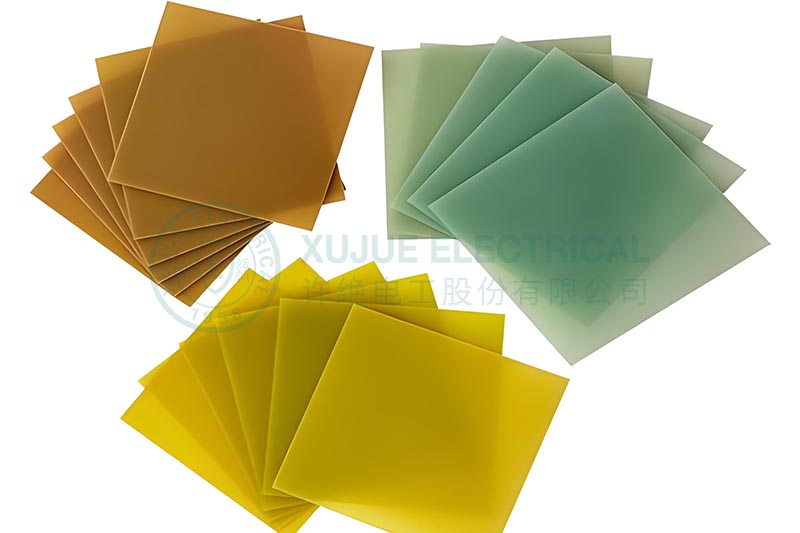
FR-4 is a composite material made from epoxy resin and fiberglass cloth, and it is currently one of the most widely used insulation materials available.
Key Features:
Excellent electrical insulation properties
High mechanical strength
Stable dimensional accuracy
Commonly used in: PCB circuit boards, electrical structural components, electronic equipment
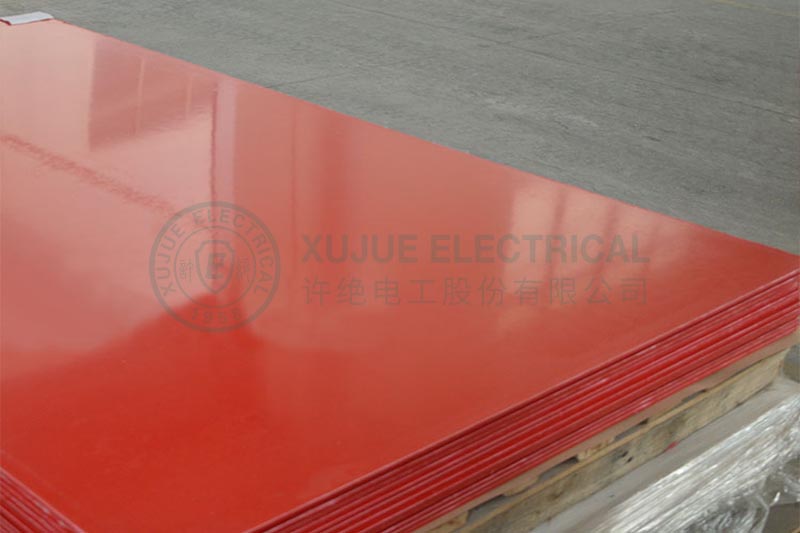
FRP is a collective term for a class of composite materials, typically manufactured from resins (such as epoxy or polyester) reinforced with fiberglass.
Key Features:
High strength-to-weight ratio
Excellent corrosion resistance
Structural configurations can be flexibly customized
Commonly used in: Structural components, corrosion-resistant equipment, outdoor electrical equipment
To determine which material offers the “best performance,” an analysis must be conducted across multiple dimensions, including mechanical strength, electrical properties, and heat resistance etc.
FR-4: Exhibits superior performance. In high-frequency environments, FR-4 features lower dielectric constants and dissipation factors, making it ideal for high-frequency insulation and PCB-related applications.
GPO-3: Exhibits excellent performance. It possesses high dielectric strength, making it suitable for power-frequency insulation environments, such as those found in medium-to-low voltage switchgear.
FRP: Generally possesses high insulating properties.
FR-4: Exhibits superior performance. Due to its structure utilizing long-fiber glass cloth, FR-4 boasts extremely high tensile and flexural strengths. It is rigid in texture and highly resistant to deformation.
GPO-3: Exhibits good performance. While it possesses high strength, its overall mechanical strength (particularly flexural strength) is slightly lower than that of FR-4 because its fiber mat features a random-orientation structure. However, it offers superior toughness and is less prone to cracking.
FRP (General Type): Strength varies over a wide range, with specific strength levels depending on the ratio of resin to glass fiber used. Its strength characteristics can range from flexible to extremely rigid.
FR-4: Exhibits superior performance. The glass transition temperature (Tg) of FR-4 typically falls between 130°C and 180°C. It is capable of maintaining stable mechanical and electrical properties at elevated temperatures.
GPO-3: Exhibits good performance. The heat distortion temperature of GPO-3 typically exceeds 100°C, satisfying the requirements of most industrial applications. However, in extreme high-temperature environments, its stability is not on par with that of FR-4.
FRP (General Type): Heat resistance depends on the specific resin system employed.
GPO-3: Offers superior arc resistance—its most prominent advantage. Its polyester matrix possesses exceptionally high arc resistance. Even when subjected to high-voltage electrical arcs, it is highly resistant to forming conductive carbonized paths. Consequently, it is frequently utilized in circuit breaker enclosures and arc barriers.
FR-4: Offers superior flame retardancy. While both materials hold the UL94 V-0 flame retardancy certification, the epoxy resin system of FR-4 generates relatively less smoke when exposed to direct combustion.
From a comprehensive perspective, there is no single “absolutely best” material. Rather, the optimal choice depends entirely on your specific requirements:
If high-voltage electrical safety is your top priority, choose GPO-3.
If the application involves high-precision electronics, choose FR-4.
If structural strength and corrosion resistance are your primary concerns, choose FRP.
Selecting the appropriate electrical insulation material is not merely a matter of equipment safety, and it also directly impacts the long-term operational costs of your equipment. If you remain unsure whether to select GPO-3, FR-4, or other FRP materials, we are pleased to offer complimentary material selection assistance.
As a supplier with years of deep expertise in the field of insulation materials, we offer the following services:
Free Sample Testing: We provide samples of the appropriate material type based on your specific application scenario.
Custom Sizing and Processing: We support secondary processing services, including cutting, punching, and precision CNC machining.
Technical Parameter Matching: We provide precise material recommendations tailored to your specific requirements regarding voltage ratings, temperature resistance, and mechanical strength.
If you need our products please write down any questions, we will reply as soon as possible.
There are three ISO certificates for quality certification. The certificates will be shown later. ISO
After receiving the advance payment, the production cycle is 15-25 days. And the transportation cycle should be calcul……
We supply with installation guide and user manual for each transformer. If you do not understand them. We will offer v……
