In precision manufacturing and electronic assembly, electrostatic discharge (ESD) can damage components. A single ESD event can not only destroy precision chips but also ignite dangerous sparks in volatile environments.
This is where high-quality ESD bakelite sheets come in. As a derivative of traditional phenolic laminates, these sheets combine cotton fabric to enhance the mechanical strength of phenolic resin with unique surface resistivity. Whether you need 3mm thin sheets for insulating pads or 50mm heavy-duty sheets for fixture fittings, a thorough understanding of this material is crucial for optimizing your production line.
This guide will comprehensively explore the complete range of antistatic phenolic resin sheets and their advantages in industrial applications.
ESD bakelite sheets, also known as antistatic phenolic resin sheets, are industrial insulating sheets made from phenolic resin as a base material, reinforced with other materials, and processed using special techniques to achieve stable antistatic properties.
Its core characteristics are as follows:
Stable surface resistance range
Excellent electrical insulation performance
High mechanical strength and good wear resistance
Easy to cut, drill and CNC machine
Compared with ordinary bakelite boards, antistatic bakelite sheets are more reliable in preventing static electricity accumulation and discharge.
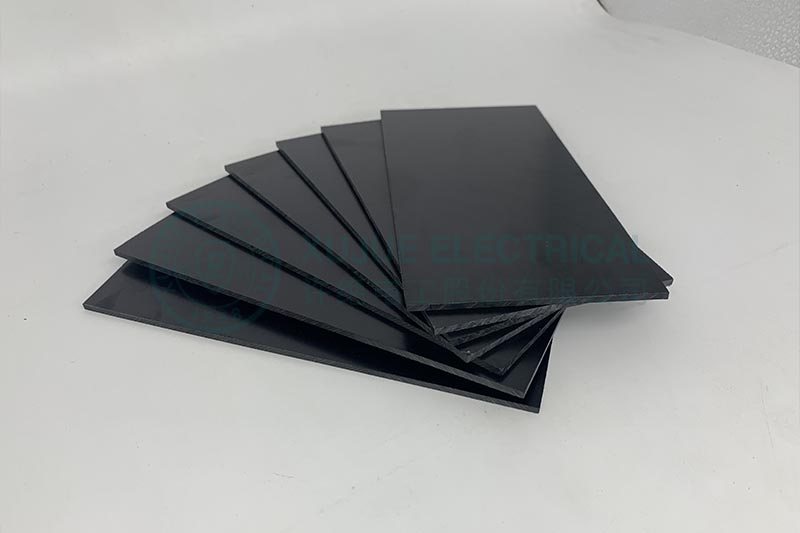
The diversity of thicknesses is one of the core advantages of modern antistatic phenolic resin sheets. Our products cover the most commonly used sizes in the industry, specifically as follows:
This thickness is suitable for backing boards, thin insulating barriers, and PCB (Printed Circuit Board) fixture covers. The thinner profile gives it good flexibility, allowing it to be easily processed into complex shapes.
This thickness is a mainstay product on assembly lines, ideal for jigs, wave soldering trays, and workbenches with medium load-bearing requirements.
This thickness of phenolic resin sheet is often used for structural supports and heavy-duty fixtures. It is also suitable for complex mechanical components that require both strength and static dissipation.
Surface resistivity is typically controlled within the 10⁶–10⁹ Ω range.
The antistatic performance is long-lasting and stable, and does not easily decrease with environmental changes.
Effectively reduces the risk of electrostatic discharge (ESD).
Suitable for electrostatic-sensitive electronic and electrical applications.
High strength, stable structure, not easily deformed or cracked.
Suitable for various processing methods such as CNC machining, drilling, milling, and cutting.
Ideal for manufacturing antistatic structural components and customized parts.
Simultaneously possesses antistatic and insulating properties
Maintains stable operation in high-temperature environments
Suitable for industrial equipment operating continuously for extended periods
High product quality consistency
Suitable for automated production lines and various engineering projects
Meets multiple international industrial standards
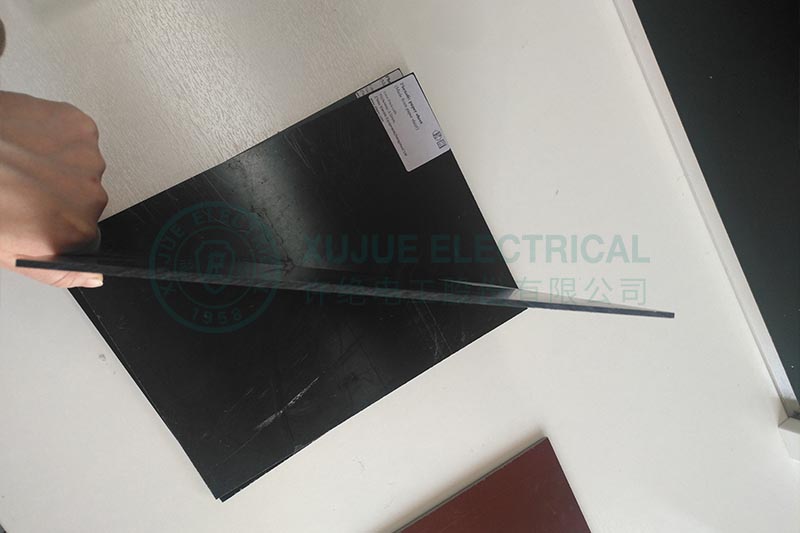
Choosing the right ESD bakelite sheet is a crucial investment in production line safety and efficiency. Whether you need 3mm flexible ESD bakelite sheets for precision electronics or 50mm heavy-duty sheets for industrial machinery, the key lies in the quality of the laminate and the stability of its ESD performance.
Choosing a supplier that provides a full range of rigorously verified high-performance materials ensures your production operations remain static-free, guaranteeing component safety.
Q1: What is the surface resistivity of ESD bakelite sheets?
High-quality ESD bakelite sheets typically have a surface resistivity in the range of 10⁶–10⁹ Ω, effectively preventing static electricity buildup and discharge. The resistivity varies slightly depending on the thickness and formulation of the sheet; choose flexibly according to the specific application environment.
Q2: Can 3mm–50mm ESD bakelite sheets be processed into custom parts?
Yes. ESD bakelite sheets support various processing methods such as CNC machining, milling, drilling, and cutting. Suppliers can customize processing according to customer-provided drawings or dimensional requirements, adapting to the manufacturing needs of jigs, fixtures, supports, and structural components.
Q3: What industrial applications are suitable for ESD bakelite sheets?
ESD bakelite sheets have a wide range of applications, mainly including: electronics manufacturing and semiconductor industries, automation equipment and tooling fixtures, electrical equipment and power distribution systems, antistatic work surfaces for industrial production lines, precision instruments and testing equipment, etc. It is particularly suitable for applications that are sensitive to static electricity and have high requirements for structural strength.
If you need our products please write down any questions, we will reply as soon as possible.
There are three ISO certificates for quality certification. The certificates will be shown later. ISO
After receiving the advance payment, the production cycle is 15-25 days. And the transportation cycle should be calcul……
We supply with installation guide and user manual for each transformer. If you do not understand them. We will offer v……
