In high-voltage electrical equipment, renewable energy systems, and high-temperature operating environments, insulation materials are required not only to deliver excellent electrical performance but also to withstand long-term exposure to high temperatures, mechanical stress, and complex service conditions. FR5 epoxy glass sheets and FR5 epoxy glass tubes, as high-performance composite insulation materials, have been widely used in the power, electronics, and industrial sectors due to their relatively high thermal rating, strong mechanical properties, and stable electrical performance.
This article systematically introduces the material definition, performance characteristics, typical applications, and selection considerations of FR5 epoxy glass sheets and epoxy glass tubes, providing practical reference for readers.
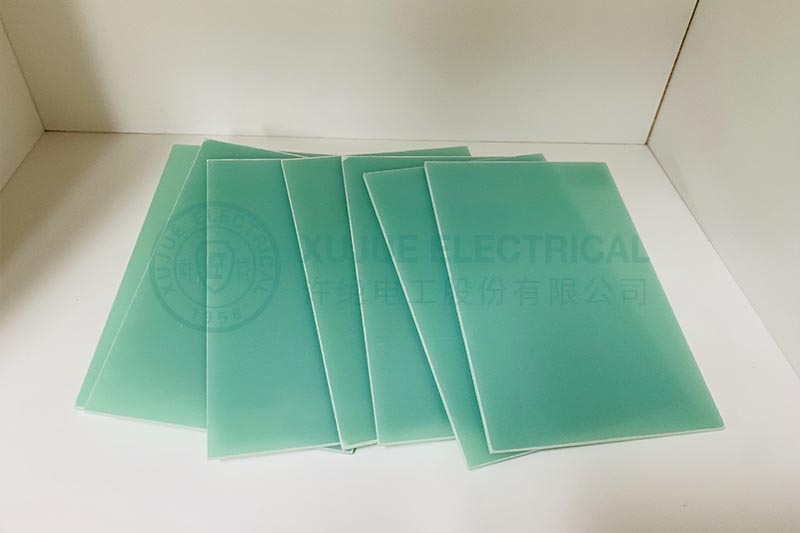
FR5 epoxy glass material is a high-grade insulation material manufactured by laminating glass fiber fabric as the reinforcing substrate with high-temperature-resistant epoxy resin as the bonding matrix under high temperature and high pressure. Its performance complies with the relevant requirements of the NEMA FR-5 technical standard.
♦ FR5 epoxy glass sheets are flat laminated products that can be machined into various sizes and shapes of insulation components through cutting, drilling, milling, and other mechanical processes.
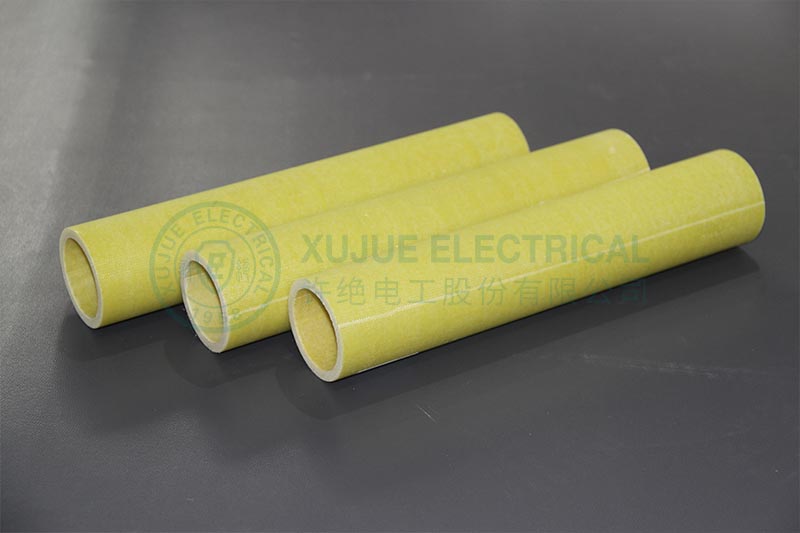
♦ FR5 epoxy glass tubes are cylindrical laminated products, mainly used as insulation sleeves, structural support components, and protective tubes in motors, transformers, and other electrical equipment.
The reinforcement effect of woven glass fiber fabric gives FR5 materials high mechanical strength, hardness, and impact resistance.
The epoxy resin matrix provides a low moisture absorption rate, allowing FR5 to maintain excellent dimensional stability under varying temperature and humidity conditions and effectively reduce deformation.
FR5 materials offer a long-term operating temperature of up to 155°C (Class F) or higher. Their heat deflection temperature is significantly higher than that of conventional FR4 materials, making them suitable for continuous operation in high-temperature environments.
Even in high-temperature and high-humidity conditions, FR5 materials maintain high dielectric strength, volume resistivity, and surface resistivity.
In addition, they exhibit good arc resistance and tracking resistance, which helps ensure the safe and reliable operation of electrical equipment.
FR5 sheets and tubes can be processed into complex insulation components through precision CNC machining to meet various assembly requirements.
They also demonstrate good chemical resistance, effectively withstanding most solvents, oils, and mild acids and alkalis.
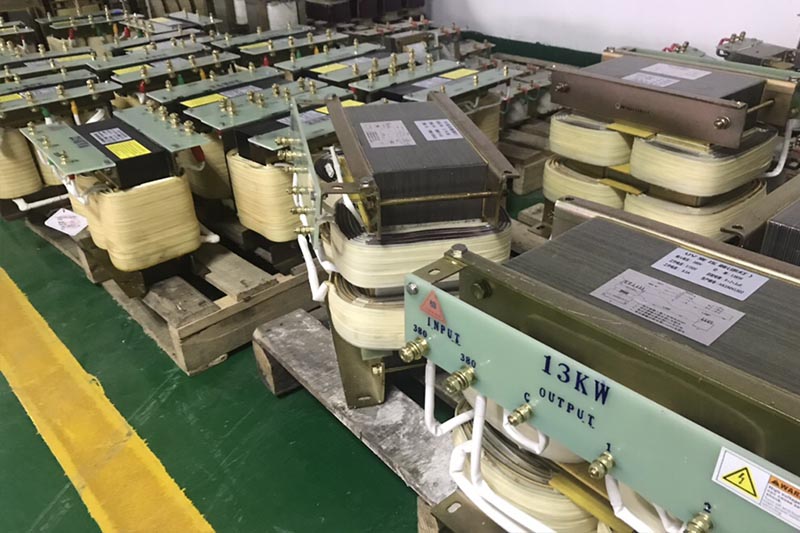
FR5 epoxy glass sheets are widely used in key insulation components across multiple industries, including:
♦ Insulation barriers in high-voltage switchgear
♦ Structural insulation parts for circuit breakers
♦ Insulating support components in transformers
♦ Insulation structures for renewable energy equipment
♦ Structural insulation components for industrial electrical equipment
Thanks to their high mechanical strength, FR5 epoxy glass sheets can serve both as electrical insulation barriers and as load-bearing structural components, achieving a dual function of insulation and mechanical support.
FR5 glass epoxy tube is mainly used for insulation and support in various electrical equipment, specifically including:
♦ High-voltage motor winding insulation bushings
♦ Transformer lead insulation tubing
♦ Power equipment support insulation columns
♦ Insulation protection components for high-temperature electrical connections
Compared to ordinary insulation tube, FR5 glass epoxy tube offers higher operational reliability under high-temperature and high-voltage environments.
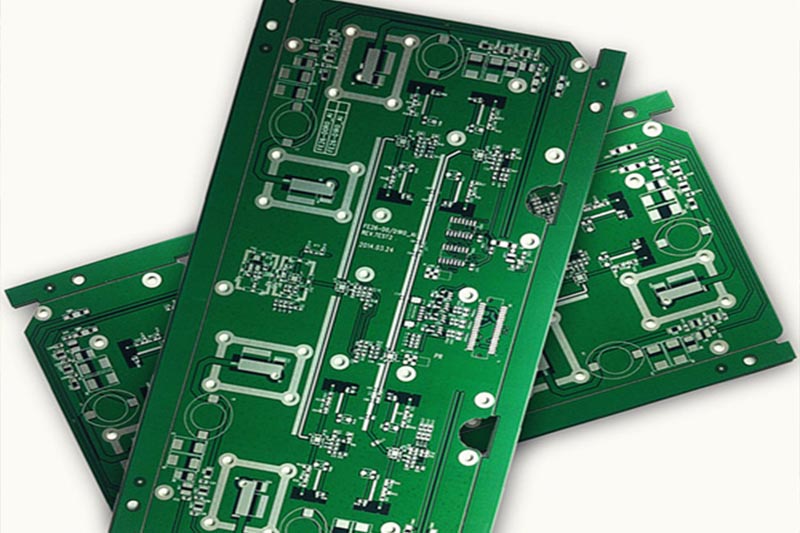
FR5 can be regarded as a high-performance version of FR4. Their main differences are reflected in the following aspects:
Heat Resistance: FR5 uses a highly stable epoxy resin formulation, resulting in a higher glass transition temperature and heat distortion temperature than standard FR4 material.
Mechanical Strength: Under high-temperature conditions, FR5 material maintains better mechanical strength and rigidity, making it less prone to deformation or breakage.
Application Areas: FR4 is mostly used in ordinary PCB substrates, while FR5 is suitable for electrical insulation structural components with high thermo-mechanical performance requirements, as well as high-end PCB test fixtures.
FR5 glass epoxy boards and FR5 epoxy tubes, with their high heat resistance, excellent electrical insulation properties, and stable mechanical strength, have become important materials in high-end electrical equipment and high-temperature insulation systems. As the reliability requirements of power systems, new energy sources, and industrial equipment increase, the application of FR5 insulation materials will further expand.
XUJUE ELECTRICAL offers a wide range of FR5 glass epoxy sheets and tubes, as well as precision machining customization services. Based on extensive industry experience, we provide a one-stop solution from material selection to finished product delivery. All products meet international quality standards.
If you need our products please write down any questions, we will reply as soon as possible.
There are three ISO certificates for quality certification. The certificates will be shown later. ISO
After receiving the advance payment, the production cycle is 15-25 days. And the transportation cycle should be calcul……
We supply with installation guide and user manual for each transformer. If you do not understand them. We will offer v……
