Dry-type transformers feature fire safety, environmental friendliness, and easy maintenance, and their application in modern power systems and industrial scenarios continues to expand. The selection of insulation materials directly determines the operating performance, service life, and reliability of dry-type transformers. Polyethylene terephthalate (PET) composite film is a core insulation material used in dry-type transformers, making proper selection particularly critical. This article explains the key selection criteria for PET composite films used in dry-type transformers, providing technical reference for readers.
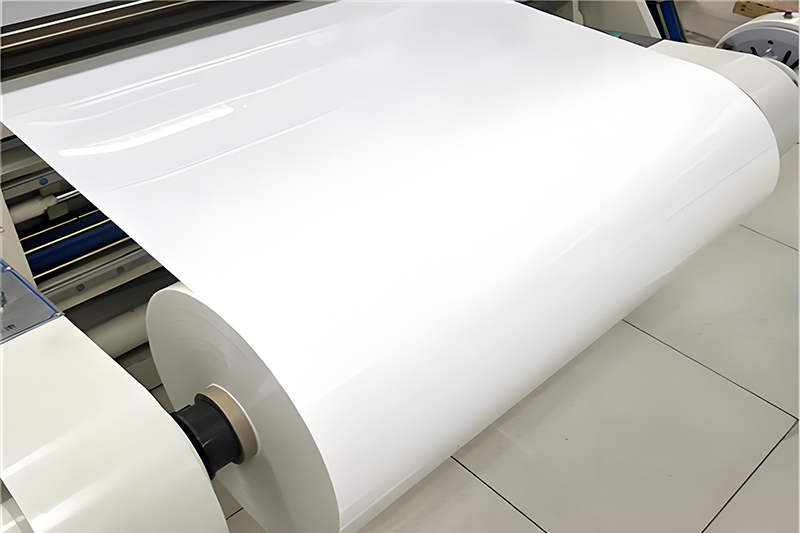
PET composite film is generally manufactured by laminating polyester film with polyimide film or other insulating materials. It is mainly applied to inter-layer insulation, inter-turn insulation, and lead wire insulation in dry-type transformers. Its core functions include:
Electrical insulation: Prevents electrical conduction between conductors, avoids insulation breakdown, and ensures safe transformer operation.
Mechanical support: Enhances winding structural stability and resists winding deformation caused by electromagnetic forces.
Heat dissipation assistance: Facilitates heat transfer from windings, reduces operating temperature, and extends transformer service life.
Moisture protection: Minimizes the impact of ambient humidity on the insulation system, maintaining stable insulation performance.
Common thermal classes of insulation systems for dry-type transformers include Class B, Class F, and Class H. During selection, the thermal class of the PET composite film should match or exceed that of the overall insulation system:
Class F (155°C): Standard PET composite films are suitable.
Class H (180°C): High-temperature modified PET composite films are required.
An insufficient thermal rating of the PET composite film will directly shorten the service life of the transformer.
Electrical performance is the core criterion in selecting PET composite films, mainly including:
Dielectric strength: Determines the withstand voltage capability between turns and layers.
Voltage withstand performance: Comply with the transformer’s design voltage standards and required safety margins.
Dielectric stability: No degradation of electrical performance during long-term operation.
High-quality PET composite films must ensure stable and consistent electrical performance across different production batches.
During winding processes such as coil winding, tensioning, and forming, insulation materials are required to withstand corresponding mechanical stresses. Therefore, PET composite films should meet the following requirements:
High tensile strength and excellent tear resistance.
It has good flexibility,which is convenient for wrapping and bonding operations.
Smooth, clean edges without fraying or delamination.
Insufficient mechanical performance may create potential safety risks during manufacturing or operation.
Dry-type transformers with different voltage levels and winding structures have varying requirements for the thickness and structure of PET composite films:
Thin constructions: Suitable for compact windings with limited installation space
Multi-layer composite structures: Suitable for designs requiring higher voltage ratings or enhanced reliability
Proper selection helps achieve a balance between transformer safety and manufacturing cost.

Clarify the transformer’s voltage class, rated capacity, insulation thermal class, and operating environment.
Based on the transformer design requirements, compare supplier technical data sheets and select PET composite films that meet the minimum electrical, thermal, and mechanical performance criteria.
When selecting materials, sufficient safety margins should be reserved. For example, dielectric strength values should be 20%–30% higher than theoretical calculation results.
Verify the compatibility of PET composite film thickness, width, and winding performance with existing winding equipment. Excessive film thickness may reduce heat dissipation efficiency and space utilization, while films that are too thin may weaken mechanical protection capability.
Optimize procurement costs while meeting performance requirements. Currently, the quality of domestically produced PET composite films has reached a high level and can replace some imported products.
When selecting a supplier, it is necessary to confirm that the supplier has a stable quality control system and timely delivery capabilities.
Test the initially selected PET composite film samples, including actual winding tests, short-circuit withstand simulation tests, and long-term aging performance evaluations. Suppliers should also provide authoritative third-party testing reports.
As dry-type transformers develop towards higher reliability, higher efficiency, and compactness, the role of PET composite films in insulation systems is becoming increasingly important. By comprehensively evaluating heat resistance, electrical performance, mechanical strength, and structural design, selecting a suitable PET composite film can significantly improve the safety and service life of dry-type transformers.
If you need our products please write down any questions, we will reply as soon as possible.
There are three ISO certificates for quality certification. The certificates will be shown later. ISO
After receiving the advance payment, the production cycle is 15-25 days. And the transportation cycle should be calcul……
We supply with installation guide and user manual for each transformer. If you do not understand them. We will offer v……
