In today’s industrial manufacturing sector, electrical insulation materials not only need to withstand high voltage but also the combined effects of high temperatures and mechanical stress. EPGC 202 FR4 glass epoxy resin laminate (compliant with EN 60893 standard), as a thermosetting composite material, is widely used in transformers, motors, and high-voltage switchgear due to its high-temperature resistance, mechanical strength, and electrical insulation properties.
This article introduces the main application areas of EPGC 202 FR4 in high-temperature industrial environments and its material properties.
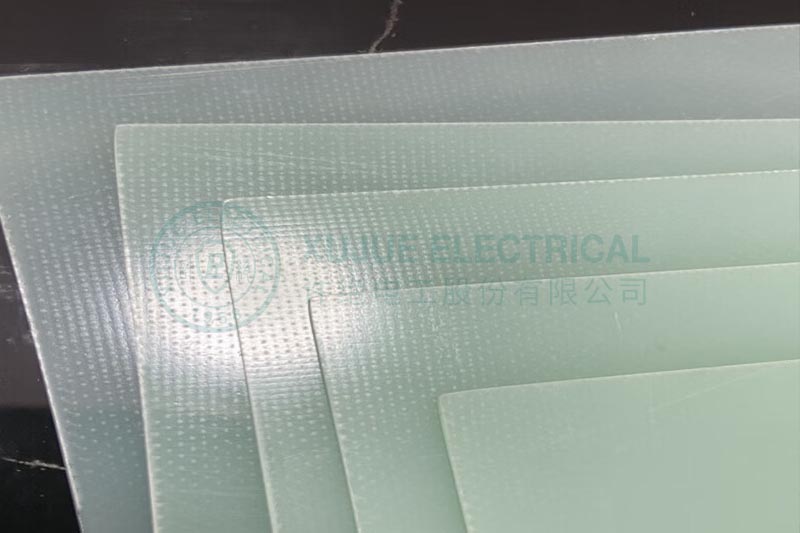
In industrial equipment operation, rising temperatures are a major factor leading to a decline in the performance of insulation materials. Ordinary insulating paper or conventional laminates may carbonize or crack under sustained high-temperature conditions, affecting the safe operation of equipment. EPGC 202 FR4 is designed to cope with such high-temperature conditions.
This material has a high glass transition temperature. When the ambient temperature exceeds 120°C, its molecular structure remains stable and it is not easy to soften or deform, thus maintaining its mechanical and insulating properties.
Heat Resistance Grade: Class B (130℃).
Dielectric Strength: Meets the electrical insulation requirements of medium and high voltage equipment.
Low Water Absorption: Maintains insulation stability even in humid environments.
High-Temperature Mechanical Strength: Maintains structural strength under sustained high temperatures.
The coil ends of dry-type and oil-immersed transformers need to withstand thermal loads and electrodynamic forces.
Applications: Gaskets, washers, end insulation components.
Under the temperature conditions generated during long-term transformer operation, EPGC 202 FR4 maintains compressive strength, preventing winding loosening and providing inter-turn insulation protection.
During high-voltage motor operation, the temperature inside the stator slots rises, requiring the insulation structure to possess both heat resistance and mechanical support functions.
Applications: Slot wedges, end supports, lead plates.
The mechanical strength of this material effectively secures the coils and reduces wear caused by electromagnetic vibration. Its F-class heat resistance rating is compatible with the temperature rise requirements of the motor.
When switching equipment interrupts current, an electric arc is generated, and the instantaneous high temperature places demands on the heat resistance of surrounding components.
Applications: Arc isolation plates, arc-extinguishing chamber components.
EPGC 202 FR4 possesses high-temperature resistance, arc resistance, and leakage resistance, reducing the impact of arcs on equipment.
With the development of industrial automation, the power density of equipment such as frequency converters and servo drives is increasing, placing higher demands on insulation materials.
Applications: Base plate insulation components, busbar clamps.
This material has a certain thermal conductivity, which helps dissipate heat from the equipment and maintains creepage distances under high-voltage conditions.
When purchasing EPGC 202 FR4 sheet material for high-temperature environments, the following aspects should be considered:
Select materials that conform to EN 60893-3-2 standard. This standard specifies the basic requirements for electrical and mechanical properties.
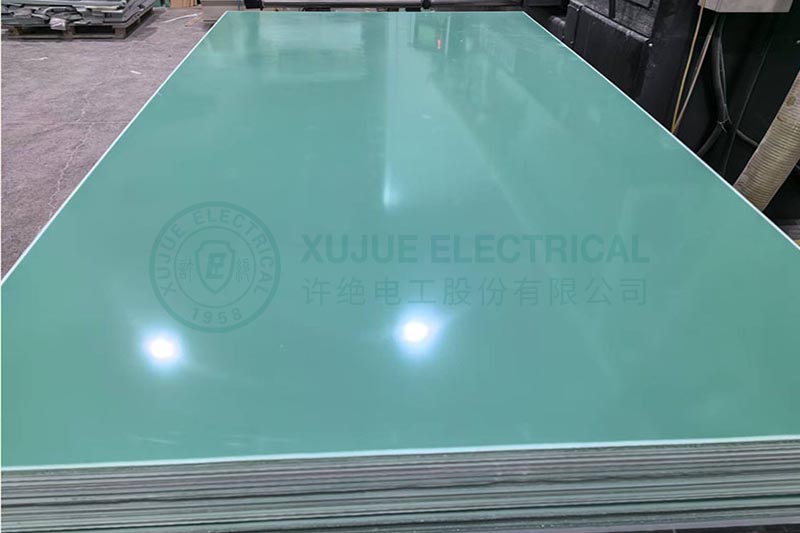
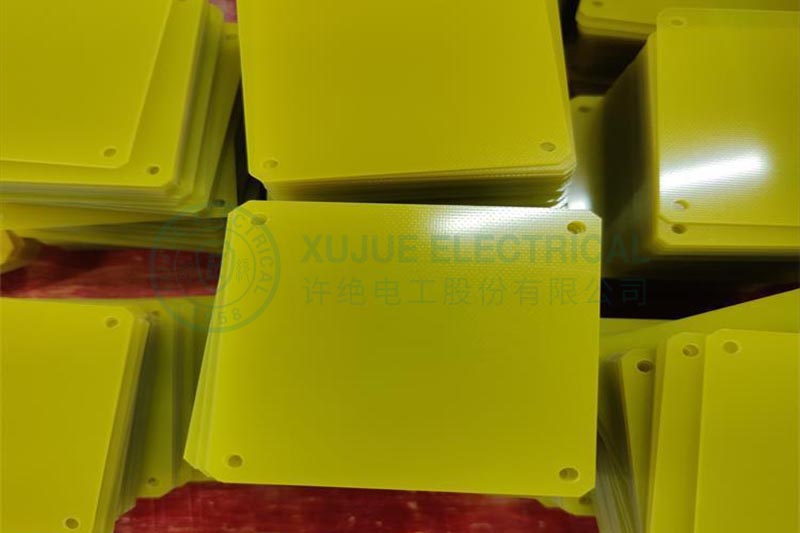
EPGC 202 sheets are typically yellowish-green, although some modified products may be other colors. Color is not directly related to material properties.
High-quality laminated boards have a uniform internal structure. After processing, their surfaces are smooth and less prone to fuzzing or delamination, making them suitable for precise assembly.
EPGC 202 FR4 glass epoxy resin laminates are widely used in power equipment, motor manufacturing, and new energy fields due to their excellent insulation, mechanical strength, and heat resistance.
For EPGC 202 FR4 glass epoxy laminates, it is recommended to choose a supplier with production experience and processing capabilities to ensure material quality and timely delivery.
If you need our products please write down any questions, we will reply as soon as possible.
There are three ISO certificates for quality certification. The certificates will be shown later. ISO
After receiving the advance payment, the production cycle is 15-25 days. And the transportation cycle should be calcul……
We supply with installation guide and user manual for each transformer. If you do not understand them. We will offer v……
