The price of insulating paperboard is not fixed. It is influenced by multiple factors and typically ranges from several dozen to several hundred yuan per square meter. Standard insulating paperboard is more affordable and suitable for applications with general insulation requirements, while high-performance insulating paperboard—with superior dielectric strength, heat resistance, and corrosion resistance—comes at a higher cost. The exact price depends on material type, specifications, and overall market conditions. This article provides an in-depth interpretation of the core factors affecting insulating paperboard pricing.
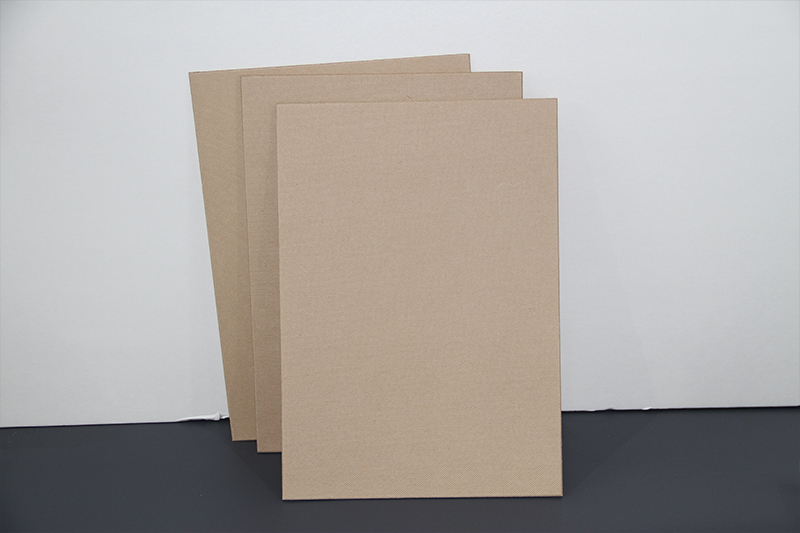
Insulating paperboard is primarily made from high-purity sulfate wood pulp, electrical-grade fibers, and special chemical additives. In recent years, global pulp prices have fluctuated frequently, directly impacting the production cost of insulating paperboard. Key reasons of pulp price changes include:
Global supply–demand balance of wood pulp
Forest resource policies in major producing regions
Changes in shipping and logistics costs
Exchange rate fluctuations
When pulp prices rise, the cost of insulating paperboard increases accordingly.
The manufacturing of insulating paperboard involves energy-intensive processes such as pulping, pressing, drying, and high-temperature curing. Fluctuations in electricity and steam prices directly affect the ex-factory price. Meanwhile, rising labor costs further contribute to higher production expenses.
During peak demand seasons or periods of concentrated project launches, insulating paperboard prices tend to rise in the short term. Typical scenarios include:
Construction and upgrading of power distribution substations
Large-scale transformer procurement
Intensive commissioning of photovoltaic, wind power, and energy-storage projects
When order volumes surge, supply becomes tight, which pushes prices upward.
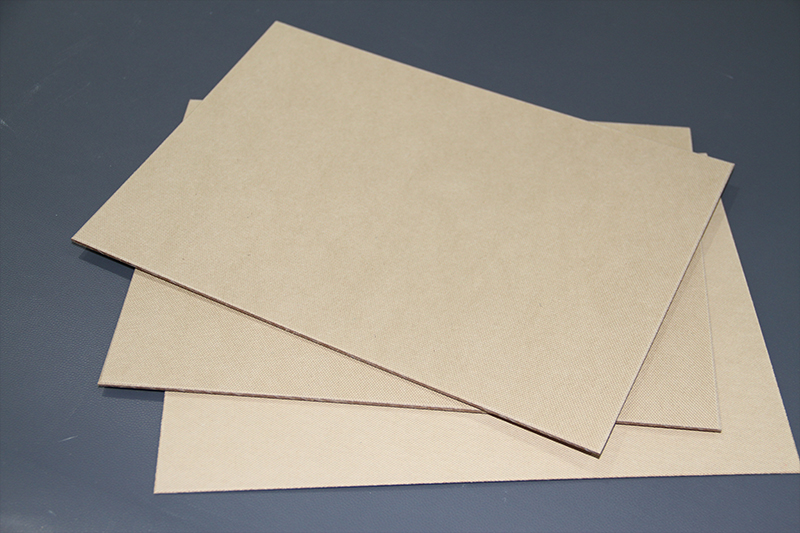
Stricter environmental regulations have forced some small- and medium-sized paperboard manufacturers to reduce production or shut down due to non-compliant emissions. This directly results in:
Reduced effective market capacity
Increased production costs for high-standard products
Ultimately, these factors make insulating paperboard maintain higher market prices.
For export-oriented manufacturers, insulating paperboard prices may fluctuate due to:
Exchange rate movements
Rising international logistics costs
Adjustments in trade policies
Different types of insulating paperboard vary in price due to differences in material composition, density, and manufacturing processes. The common types and their characteristics are as follows:
♦ Pure Wood Pulp Insulation Paperboard (Transformer Board):
Features high dielectric strength and high density. And it is the most expensive type.
♦ DMD Composite Paperboard:
It is made from composite materials with relatively high processing costs. And its price is in the mid-to-high range.
♦ Laminated Paperboard:
It offers high machining precision and is relatively expensive. It is commonly used in high-end transformers.
♦ Special Paperboard for Capacitors:
It has high technical requirements and belongs to the premium product category.
VConventional Electrical Paperboard:
It is stable in price and suitable for general insulation applications.
When comparing prices, users should clearly understand the core parameters such as material type, density, thickness, dielectric strength, and thermal class to avoid evaluating cost-effectiveness based solely on unit price.
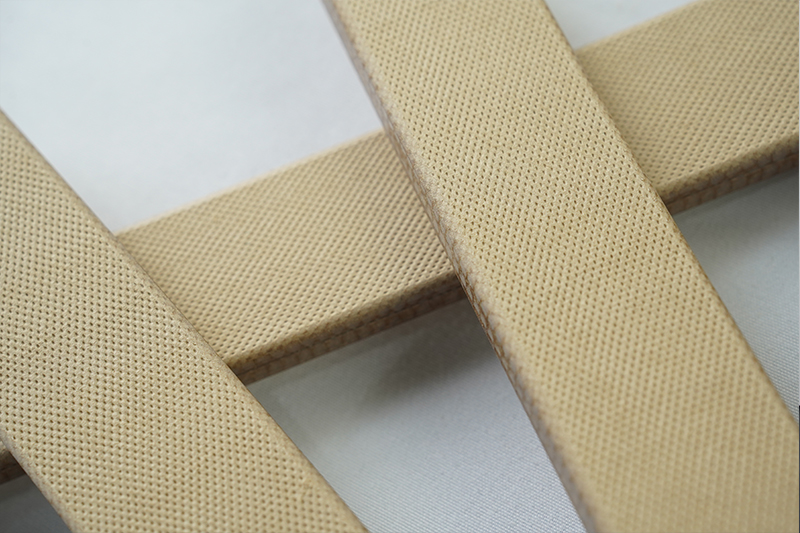
Monitor the price trends of pulp and other bulk materials to identify low-price windows that help reduce procurement costs.
Large manufacturers with their own pulp production lines and high automation levels offer stronger supply chain stability and can maintain long-term price consistency.
For insulating paperboard of the same thickness, indicators such as density, compressive strength, and moisture absorption may differ. Price variations are normal, and evaluating cost-effectiveness requires comparing performance parameters.
For major engineering projects, it is advisable to sign long-term purchase agreements with manufacturers in advance to secure a stable price range and minimize the impact of price fluctuations on project budgeting.
Insulating paperboard prices fluctuate due to multiple factors including raw materials, energy costs, market demand, and policy changes. By understanding the logic behind price variations and adopting a scientific procurement strategy, companies can effectively control costs, ensure stable material supply, and maintain reliable product quality.
If you need our products please write down any questions, we will reply as soon as possible.
There are three ISO certificates for quality certification. The certificates will be shown later. ISO
After receiving the advance payment, the production cycle is 15-25 days. And the transportation cycle should be calcul……
We supply with installation guide and user manual for each transformer. If you do not understand them. We will offer v……
