Insulating sleeves are a widely used and critical category of insulating materials in power equipment, transformers, switchgear, and industrial electrical systems. They not only fulfill the core function of electrical insulation, but also provide mechanical support, conductor protection, and potential isolation. The scientific selection and quality level of insulating sleeves directly determine the operational safety, stability, and service life of power and industrial equipment.
This article systematically explains insulating sleeves from the perspectives of definition, material composition, performance characteristics, and typical application scenarios, helping readers gain a comprehensive understanding of this important insulating material.
Insulating sleeves are tubular insulating materials used to cover conductors or live components. Their main functions include:
♦ Isolating different electrical potentials to prevent breakdown and short circuits.
♦ Protecting conductors from mechanical damage, moisture intrusion, and contamination.
♦ Providing the required mechanical strength and structural support for equipment.
Insulating sleeves are widely used in transformers, high- and low-voltage switchgear, reactors, motors, and new energy equipment. They are typically applied in lead insulation, inter-layer insulation, and structural fixing positions.
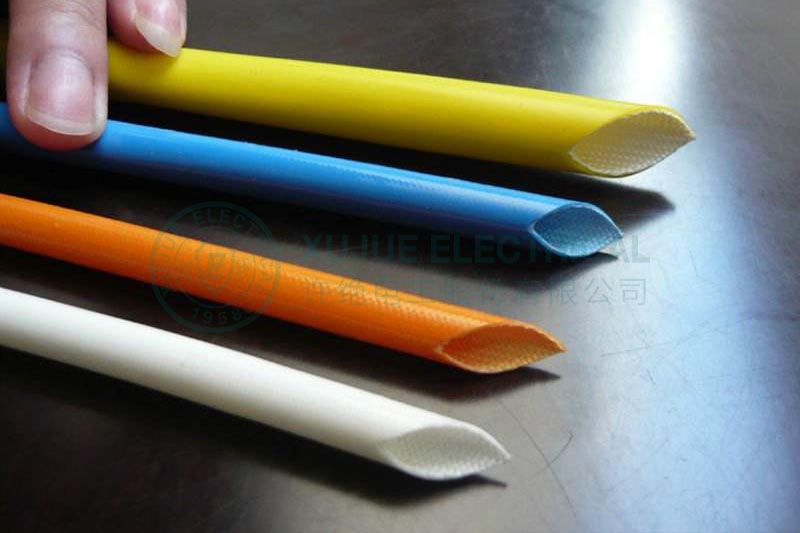
As a type of insulating material, insulating sleeves can be mainly classified into the following categories according to different base materials and manufacturing processes:
Made of phenolic resin reinforced with cotton fabric or paper
Good mechanical strength and easy to machine
Suitable for medium- and low-voltage electrical equipment
Composed of epoxy resin reinforced with glass fiber
High dielectric strength, with thermal class reaching F/H
Commonly used in medium- and high-voltage transformers and reactors
Work effectively when used together with transformer oil systems
Stable insulation performance, ensuring long-term reliable operation
Mostly applied in the internal structures of oil-immersed transformers
Excellent weather resistance and waterproof performance
Suitable for outdoor applications and harsh environmental conditions
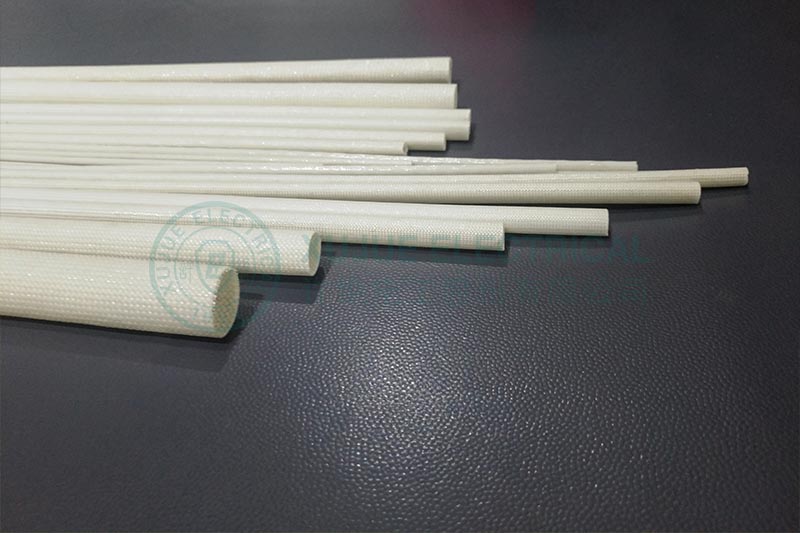
Electrical Safety: Effectively isolate electrical current to prevent leakage and short-circuit accidents.
Environmental Protection: Resistant to moisture, oil contamination, chemical corrosion, and UV radiation.
Mechanical Protection: Reduce damage to cables caused by friction, vibration, and impact.
Temperature Adaptability: Some materials can withstand extreme high- and low-temperature environments.
Ease of Installation: No specialized tools required. And it can be cut and applied on site.
Insulation protection for winding leads
Isolation between the core and windings
Protection of oil ducts and supporting structures
Insulation treatment for busbar wall penetrations and support points
Safety protection for live components
Insulation of coil lead-out terminals
Vibration resistance and thermal protection
Insulation configuration for wind power and photovoltaic step-up equipment
Insulation protection for industrial power distribution systems
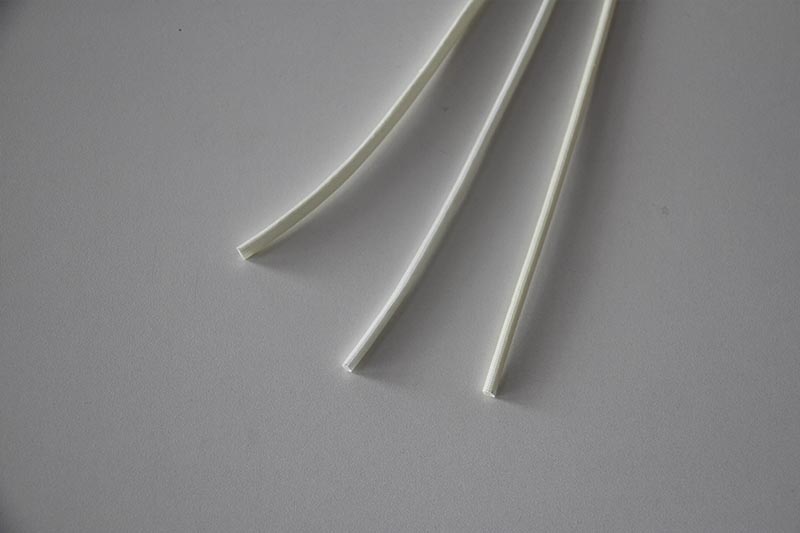
Determine the Operating Environment: Identify the equipment’s working temperature range and whether it will be exposed to chemicals or oils.
Clarify Electrical Requirements: Confirm the voltage rating and insulation resistance requirements.
Ensure Proper Size Matching: The sleeve diameter should match the dimensions of the cable or component.
Check Certification Standards: Give priority to products certified to UL, RoHS, REACH, and other relevant standards.
Consider Installation Method: Choose heat-shrink, slip-on, or wrap-around sleeves according to actual installation needs.
Q1: Are insulating sleeves waterproof?
Yes. Products such as heat-shrink sleeves can achieve a fully sealed effect, making them suitable for outdoor or humid environments.
Q2: What tools are required to install heat-shrink sleeves?
A heat gun or dedicated heating equipment is typically used. Even heating allows the sleeve to shrink and tightly conform to the covered object.
Q4: How should insulating sleeves be stored?
They should be stored in a cool, dry place, avoiding direct sunlight and humid conditions.
As a key type of insulating material, insulating sleeves have become indispensable components in modern engineering due to their wide variety, ease of use, and reliable performance. Whether protecting household electrical circuits or supporting industrial equipment, choosing the right insulating sleeve can significantly improve equipment safety and durability. When purchasing, always select products based on specific application requirements, carefully reviewing material type, specifications, and certifications to ensure optimal performance.
If you need our products please write down any questions, we will reply as soon as possible.
There are three ISO certificates for quality certification. The certificates will be shown later. ISO
After receiving the advance payment, the production cycle is 15-25 days. And the transportation cycle should be calcul……
We supply with installation guide and user manual for each transformer. If you do not understand them. We will offer v……
